Compression Stockings
20,07,2026 12:54
Compression Stockings Explained: Benefits, Uses and How to Choose the Right Pair
Compression stockings have become an essential part of modern healthcare, helping millions of people improve circulation, reduce leg discomfort, and prevent serious vein-related conditions. Whether you're managing varicose veins, recovering from surgery, travelling long distances, or experiencing pregnancy-related swelling, the right compression stockings can make a significant difference to your comfort and health.
In this guide, we'll explain how compression stockings work, who should wear them, and how to choose the best pair for your needs.
What Are Compression Stockings?
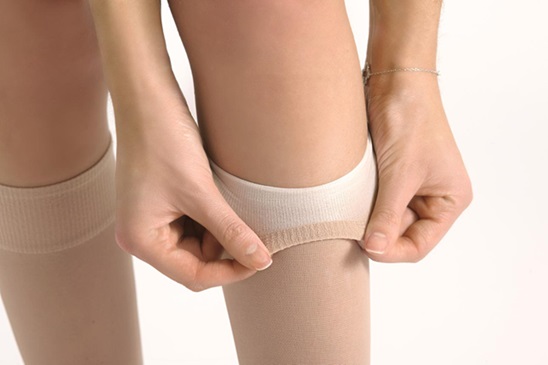
Compression stockings are specially designed elastic garments that gently squeeze your legs, with the greatest pressure at the ankle that gradually decreases toward the calf or thigh. This graduated compression helps blood flow back toward the heart more efficiently instead of pooling in the lower legs.
Unlike ordinary socks, medical-grade compression stockings are carefully manufactured to deliver specific levels of pressure measured in millimetres of mercury (mmHg).
Benefits of Compression Stockings
Improve Blood Circulation
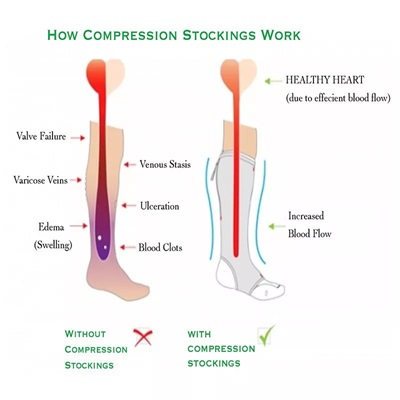
Healthy circulation ensures oxygen-rich blood returns efficiently to the heart. Poor circulation can lead to tired, aching legs and swelling. Compression stockings support the veins by improving venous return and reducing blood pooling.
Reduce Swelling (Oedema)
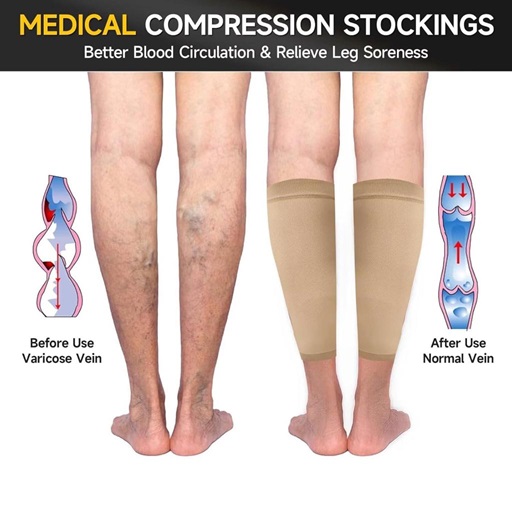
Fluid often accumulates in the lower legs and ankles after long periods of standing or sitting. Compression therapy helps minimise swelling by encouraging fluid to move back into the bloodstream.
People who benefit include:
- Office workers
- Retail and hospitality staff
- Healthcare professionals
- Teachers
- Frequent travellers
Help Manage Varicose Veins
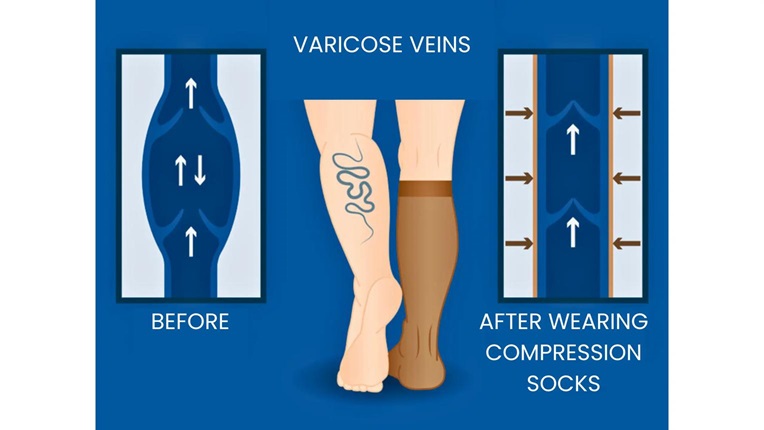
Varicose veins occur when vein valves become weakened, allowing blood to collect within the veins.
Compression stockings can help:
- Reduce aching and heaviness
- Minimise swelling
- Improve circulation
- Slow progression of vein disease
- Increase daily comfort
While they don't remove varicose veins, they often reduce symptoms significantly.
Reduce the Risk of Deep Vein Thrombosis (DVT)
Deep Vein Thrombosis is a blood clot that forms in a deep vein, usually in the leg. Long periods of immobility increase the risk.
Compression stockings are commonly recommended for:
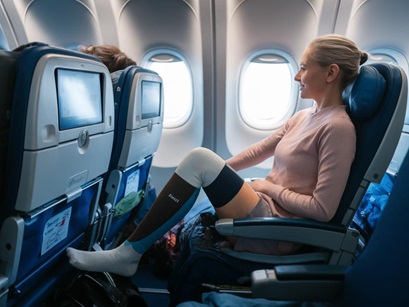
- Long-haul flights
- Extended car travel
- Hospital stays
- Recovery after surgery
People at higher risk should always seek medical advice before travelling.
Aid Recovery After Surgery
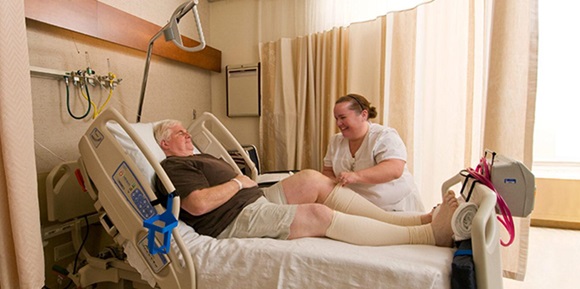
Following many surgical procedures, especially orthopaedic or vascular surgery, compression stockings help:
- Promote healthy circulation
- Reduce swelling
- Lower the risk of blood clots
- Improve comfort during recovery
Always follow your surgeon's recommendations regarding the type and duration of compression therapy.
Support During Pregnancy
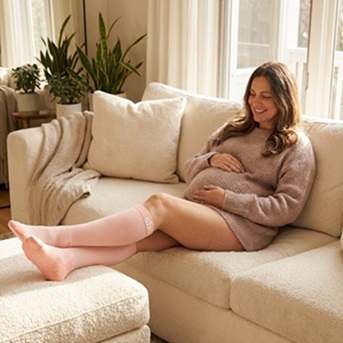
Pregnancy naturally places additional pressure on the veins of the legs and pelvis.
Compression stockings may help reduce:
- Swollen feet and ankles
- Leg fatigue
- Varicose veins
- Night cramps
- General leg discomfort
Many women find wearing them throughout pregnancy provides noticeable relief, particularly during the third trimester.
Choosing the Right Compression Level
Compression stockings are available in different pressure levels.
| Compression | Best For |
|---|---|
| 8–15 mmHg | Mild tired legs and everyday comfort |
| 15–20 mmHg | Mild swelling, travel, pregnancy and standing occupations |
| 20–30 mmHg | Moderate varicose veins, moderate swelling and post-surgical recovery (often recommended under medical guidance) |
| 30–40 mmHg | Severe venous disease or lymphoedema (medical supervision required) |
Never choose a higher compression level without consulting your healthcare professional if you have underlying medical conditions.
How to Choose the Right Pair
Select the Correct Length
Compression stockings are available as:
- Knee-high
- Thigh-high
- Pantyhose or tights
Knee-high stockings are sufficient for most people, while thigh-high or pantyhose styles may be recommended for more extensive vein conditions.
Measure Your Legs Properly
For the best fit:
- Measure first thing in the morning before swelling develops.
- Measure ankle circumference.
- Measure calf circumference.
- Measure leg length according to the manufacturer's sizing guide.
Proper sizing ensures effective compression without discomfort.
Consider Your Lifestyle
Different people have different needs.
You may benefit if you:
- Travel regularly
- Spend long hours standing
- Sit at a desk all day
- Exercise frequently
- Are pregnant
- Have a history of vein problems
There are also styles specifically designed for sports recovery and everyday wear.
Choose Comfortable Materials
Modern compression stockings are available in lightweight, breathable fabrics that provide all-day comfort. Many are designed to resemble ordinary socks or stockings while delivering effective medical compression.
Tips for Wearing Compression Stockings
For maximum benefit:
- Put them on first thing in the morning.
- Smooth out wrinkles to avoid pressure points.
- Wear them throughout the day unless instructed otherwise.
- Remove them before sleeping unless advised by your healthcare provider.
- Replace stockings every 4–6 months, as elasticity naturally decreases with regular use.
Who Should Not Wear Compression Stockings?
Compression therapy isn't suitable for everyone.
Consult your doctor before use if you have:
- Severe peripheral arterial disease
- Certain heart conditions
- Severe skin infections
- Untreated leg ulcers
- Significant numbness due to nerve disease
A healthcare professional can determine whether compression therapy is appropriate for your individual situation.
Final Thoughts
Compression stockings are a simple yet highly effective solution for improving circulation, reducing swelling, relieving leg discomfort, and lowering the risk of certain vein-related complications. Whether you're managing varicose veins, preparing for a long flight, recovering after surgery, or supporting your legs during pregnancy, choosing the right compression level and fit is essential for achieving the best results.
At Health Ladder Australia, we offer a carefully selected range of quality compression stockings designed to support comfort, mobility, and healthy circulation. If you're unsure which compression stocking is right for you, our team is here to help you find the most suitable option for your needs.